B2B Marketing Trends in 2026
Operating a business in today’s landscape comes with no shortage of obstacles. Many companies are competing in oversaturated markets, all fighting for attention and recognition. To rise above the noise, brands must continually rethink and fine-tune their marketing strategies—especially when the goal is to resonate with other businesses rather than individual consumers.
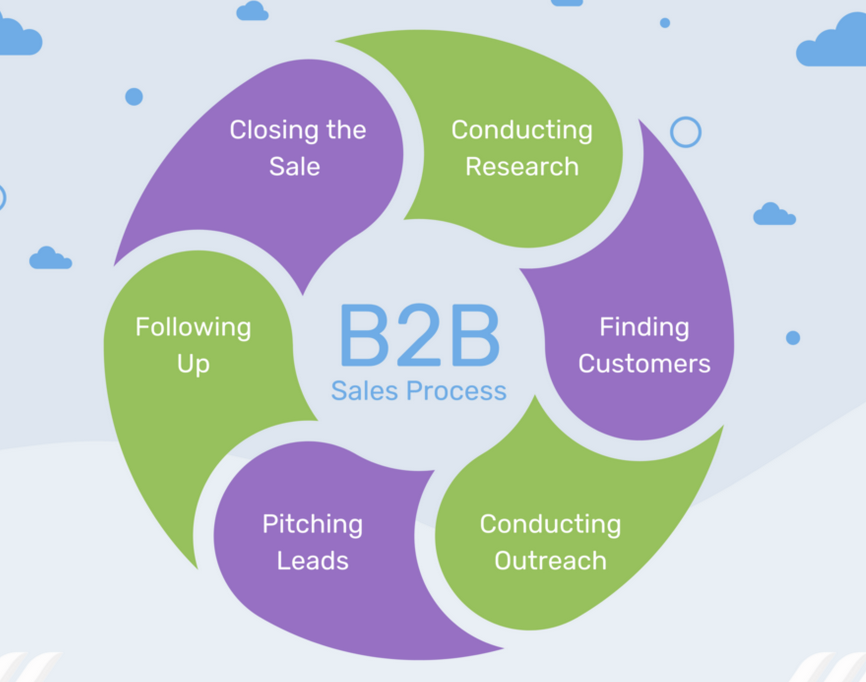
Although most organizations rely on a familiar B2B sales and marketing framework, adapting those methods over time is essential for long-term relevance. As industry trends evolve, staying aligned with the most impactful ones allows businesses to position their message in front of the audiences that matter most.
Below, we’ll explore several key trends shaping the B2B marketing environment, how they’re influencing buyer behavior, and what decision-makers increasingly expect from the brands they choose to work with.
The Growing Role of AI in Business. Artificial intelligence continues to gain traction across industries, fundamentally changing how companies operate and collaborate with one another.
Organizations are turning to AI to streamline processes, automate routine workflows, and uncover deeper insights from their data. This shift helps reduce operational costs while freeing teams to focus on strategic initiatives that drive growth and innovation.
Precision Marketing Through AI-Driven Targeting. Data has always been central to effective marketing, but the sheer volume of information available today presents a new challenge. AI helps solve this problem by transforming massive datasets into actionable insights.
By identifying patterns in buyer behavior and preferences, AI-powered tools enable marketers to anticipate what prospects are looking for and deliver messaging tailored to those needs. This level of personalization would be extremely difficult to achieve manually. With access to refined demographic and behavioral insights, teams can launch highly targeted campaigns that foster meaningful, long-term engagement.
End-to-End Automation of Marketing Workflows. Integrating AI into internal operations opens the door to significant efficiency gains. Tasks that once consumed hours—such as content creation, email list management, ad scheduling, and customer support triage—can now be handled automatically.
Automation is also playing a larger role in guiding leads through the marketing funnel. Machine learning models and Natural Language Processing (NLP) allow systems to analyze and organize prospect data with greater accuracy. This helps sales and marketing teams prioritize opportunities and allocate resources where they’ll have the greatest impact.
Data Privacy Takes Center Stage. As businesses increasingly rely on digital platforms and cloud-based tools, protecting data integrity has become a top priority. Awareness of regulatory requirements and ethical data use is growing across departments—from marketing and sales to legal and communications.
Stronger Emphasis on Transparent Data Practices. With data breaches and cyber threats making headlines, consumers and business buyers alike are paying closer attention to how their information is handled. Companies are now expected to be transparent about data usage while complying with industry regulations.
This includes offering clear consent mechanisms that allow users to opt in or out of data collection. At the same time, organizations must strengthen data governance by defining who can access sensitive information and under what circumstances. Businesses that take data security seriously tend to earn greater trust than those that don’t.
Advanced Analytics for Smarter Decisions. The expanding range of marketing channels has made data analysis more complex—and more critical. To navigate this complexity, many B2B teams are adopting AI-powered analytics platforms that help identify which strategies deliver the strongest results.
Data collection methods are evolving as well. With third-party cookies becoming less reliable due to privacy-focused browser changes, marketers are shifting toward multi-touch engagement strategies. By analyzing interactions across multiple channels, teams gain a more complete picture of buyer behavior without relying solely on browser tracking.
New Approaches to Content Management. Content remains a cornerstone of B2B marketing, but how it’s delivered—and what audiences expect from it—is changing.
Video Content Designed for Business Audiences. Video has become one of the most effective formats for sharing information online, and its value extends well beyond consumer marketing. B2B buyers increasingly rely on video to evaluate vendors, understand complex solutions, and stay informed about industry trends.
Companies are using video to introduce new products, showcase expertise, and highlight real-world success stories. Webinars are particularly popular, often featuring industry specialists or detailed product walkthroughs aimed at buyers who are close to making a purchasing decision and need deeper insight before committing.
Greater Emphasis on High-Quality, Authoritative Content. The shift away from mass-produced content is becoming more pronounced. Instead of focusing on volume, B2B marketers are prioritizing depth, originality, and expertise.
Producing fewer but more insightful pieces that demonstrate genuine industry knowledge tends to generate better returns. This approach not only builds credibility with potential buyers but also aligns with search engine algorithms that reward authoritative, well-researched content.
Building Private, Branded Communities. Another emerging trend is the focus on fostering authentic relationships through dedicated online communities.
Many organizations are creating private spaces where B2B professionals can connect, exchange ideas, and collaborate. These communities provide a natural environment for engagement while offering brands a platform to share insights, host discussions, or facilitate expert-led Q&A sessions.
Staying Ahead of the Curve. Each year brings new opportunities for businesses to refine how they engage with customers and grow their revenue. By keeping a close eye on emerging trends and adapting accordingly, companies can ensure their sales and marketing strategies remain effective, relevant, and resilient well into the future.